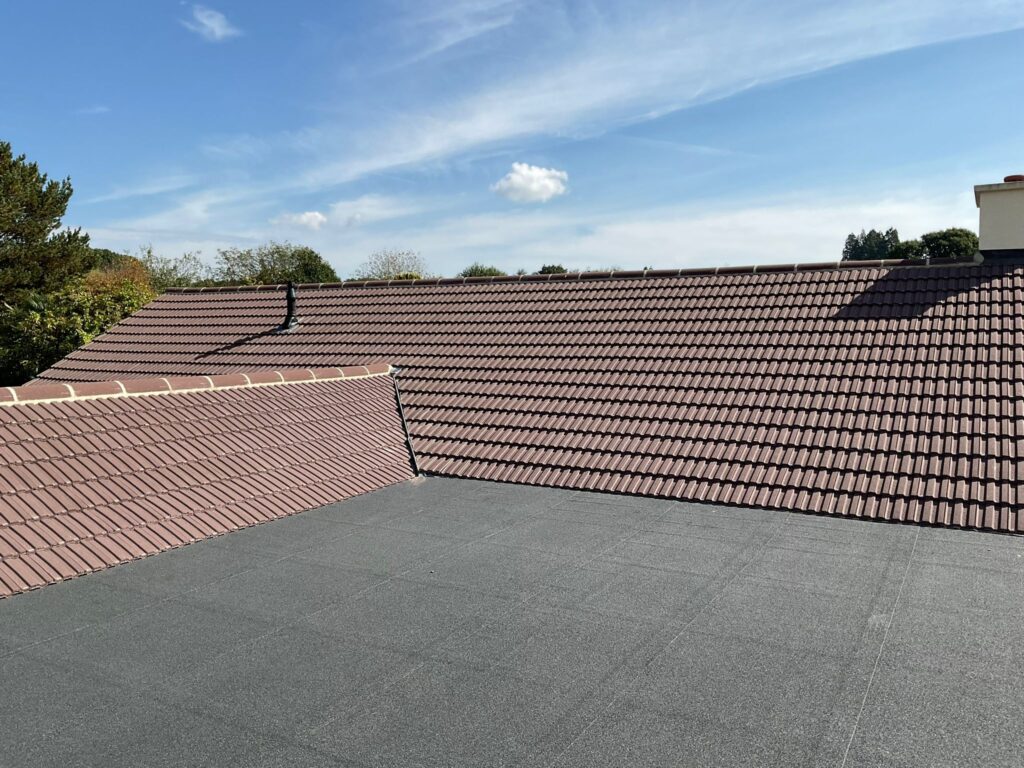
A roofline should normally appear straight, even and structurally consistent. If you look at your property and notice that part of the roof appears to dip, bow or sag, it is worth taking seriously. A sagging roofline is not simply an aesthetic imperfection; it can indicate that part of the roofing system or supporting structure is no longer performing as it should.
For homeowners in Chesham, Buckinghamshire, having a noticeably uneven roof professionally assessed can help establish what is happening beneath the surface. The sooner the cause is understood, the easier it is to determine the appropriate course of action and prevent deterioration from continuing unnoticed.
What Does a Sagging Roofline Look Like?
Changes to a roof are not always dramatic. Sagging can develop gradually, particularly on an older property, meaning homeowners may become accustomed to the appearance without recognising that something has changed.
Possible warning signs include:
- A visible dip along the ridge
- Sections of the roof appearing bowed
- Uneven areas within a pitched roof
- Roof tiles no longer sitting consistently
- Changes around the eaves
- An obvious difference between one section of the roof and another
If the roofline has visibly changed, it is sensible to find out why rather than assuming it is simply part of the property’s age.
Why Can a Roof Begin to Sag?
The visible roof covering is supported by a structure beneath it. When something affects that support, the shape of the roof can begin to change.
There is no single cause of a sagging roofline. Potential contributing factors can include deteriorating structural timbers, prolonged moisture exposure, movement within supporting components or problems associated with previous roofing work.
Because several different issues can produce a similar outward appearance, diagnosis is an important part of the repair process.
Water Ingress Can Affect Roof Timbers
A small roofing defect can sometimes allow water into the roof structure without immediately producing an obvious leak inside the living areas.
Over an extended period, persistent moisture can affect timber components and surrounding roofing materials. If structural timber deteriorates sufficiently, its ability to support the roof correctly may be reduced.
Potential entry points can include damaged tiles, defective flashing, worn roof junctions and other vulnerable areas of the roof covering.
This is one reason why identifying the original cause matters. Simply addressing the visible distortion without resolving an underlying moisture problem would not provide a complete solution.
The Problem May Extend Beyond the Visible Dip
When homeowners notice a sagging section, it is natural to focus on that particular area. However, the visible dip may only be one symptom of a wider roofing problem.
A professional inspection can assess:
- The condition of the roof covering
- Supporting roof timbers
- Battens and associated components
- Evidence of moisture penetration
- Ridge and roofline condition
- Nearby flashing and junctions
Understanding the wider condition of the roof allows repairs to target the actual problem rather than its appearance alone.
Sagging Can Affect How Roof Coverings Perform
Tiles and slates are designed to sit in a particular arrangement so that rainwater is directed safely down the roof.
If the structure beneath them becomes uneven, the roof covering may no longer sit as intended. This can potentially create vulnerable areas where individual tiles move, joints become less effective or water is more likely to find its way beneath the covering.
What begins as structural movement can therefore contribute to further roofing deterioration if it is allowed to continue.
Why Waiting Is Rarely the Best Approach
A visibly uneven roofline is unlikely to correct itself. If deterioration, movement or moisture is responsible, continued exposure to the elements can allow the underlying issue to progress.
Early professional attention provides an opportunity to establish:
- Whether the movement is active
- How much of the roof is affected
- Whether moisture is involved
- Which components require attention
- Whether a targeted repair is appropriate
Finding the problem sooner can also help preserve unaffected parts of the existing roofing system.
Does a Sagging Roof Always Need Replacing?
Not necessarily.
The appropriate solution depends on why the roof is sagging, how extensive the problem is and the general condition of the roofing system.
Where deterioration is localised and the remainder of the roof is sound, focused repair work may be possible. More widespread structural deterioration or extensive problems across an ageing roof may require a more comprehensive approach.
A proper assessment is therefore essential before deciding whether repair or replacement is appropriate.
Why Professional Diagnosis Matters
A sagging roofline is not a problem that can be accurately diagnosed from ground level alone. The visible shape provides an indication that something may be wrong, but it does not reveal precisely what is happening within the structure.
An experienced roofer can assess the roof as a complete system, looking for the relationship between structural movement, roofing materials and potential water ingress.
This prevents unnecessary assumptions and allows the work to be based on the actual condition of the property.
Protecting the Rest of Your Home
The roof has an important role in protecting everything below it. When structural or weatherproofing problems are allowed to progress, their effects can extend beyond the roof covering.
Timely attention helps protect:
- Roof timbers
- Loft areas
- Insulation
- Ceilings and internal finishes
- The wider building structure
Keeping the roof structurally sound and weatherproof is therefore an important part of maintaining the property as a whole.
Professional Roofing Support in Chesham
At LS Roofing Chesham, we provide professional roofing services for homeowners in Chesham, Buckinghamshire. When a roofline begins to look uneven or another unusual change becomes apparent, our focus is on identifying the underlying cause before recommending the appropriate solution.
Whether the problem requires a specific roof repair or more extensive roofing work, careful assessment and quality workmanship are essential to achieving a dependable result. Addressing the cause rather than simply treating the visible symptom helps provide a more effective long-term solution.
Conclusion
A sagging roofline deserves attention because it can indicate deterioration or movement within parts of the roofing system that cannot be seen from outside. Moisture-damaged timbers, weakened components and other underlying problems can all affect the shape and performance of a roof.
For homeowners in Chesham, Buckinghamshire, noticing a dip or bow in the roofline is a good reason to arrange a professional assessment rather than waiting for more obvious problems to appear. LS Roofing Chesham can inspect the condition of your roof, establish what is causing the change and recommend the most appropriate way to restore its integrity.
If your roofline no longer looks as straight or consistent as it once did, contact LS Roofing Chesham to arrange an inspection and get clear, professional advice on the next steps.
Call us on: 01494 302 493
Click here to find out more about LS Roofing Chesham
Click here to complete our contact form and see how we can help with your roofing needs.