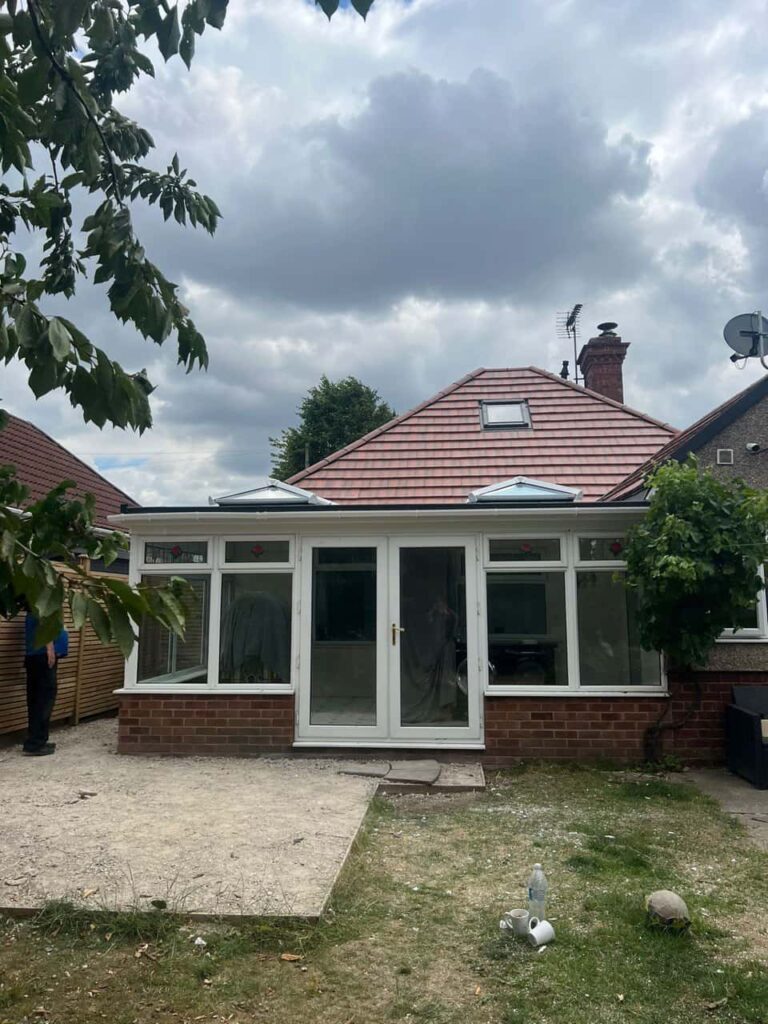
Some roofing problems can be assessed and scheduled for repair without immediate urgency. Others can develop quickly, allowing significant water entry, leaving sections of the roof exposed or creating unstable roofing materials that require prompt professional attention. Knowing the difference can help property owners respond appropriately when sudden roof damage occurs.
For properties in Chesham, Buckinghamshire, emergency roof repairs are particularly relevant when a roofing defect is active, rapidly worsening or leaving the property vulnerable to further damage. The first priority is normally to identify the immediate problem, make the affected area secure where appropriate and determine what further repair is required. Not every roof defect is an emergency, but certain warning signs should not be left to develop.
What Types of Roof Damage May Need Emergency Attention?
Emergency roofing situations are generally those where waiting could allow the condition to deteriorate significantly. Active water entry, widespread storm damage, substantial sections of missing roof covering, unstable materials and sudden structural changes are examples that deserve prompt assessment.
The seriousness of a problem depends on its extent, position and the condition of the surrounding roof. A single soundly positioned cracked tile may require repair without necessarily creating an immediate emergency, while several displaced tiles during prolonged rainfall can present a much more urgent situation.
Significant Active Water Entry Requires Prompt Attention
Water dripping continuously through a ceiling during rainfall is one of the clearest reasons to arrange urgent roof assessment.
The visible water represents only the final stage of its journey.
Before reaching the room below, moisture may have travelled across roofing materials, timbers or other parts of the roof construction.
Prompt investigation can help identify the entry point and limit continued exposure.
Rapidly Spreading Ceiling Dampness Can Indicate an Active Problem
Not every urgent leak produces an obvious drip.
A damp area that expands noticeably while it is raining can indicate continuing water entry.
The speed at which the mark develops is particularly relevant.
Where staining is actively spreading rather than remaining unchanged from an older incident, the roof should be assessed promptly.
Water Entering Several Areas Can Require Urgent Investigation
Multiple internal leaks following severe weather can indicate that more than one section of the roof has been affected.
Alternatively, water may be travelling from one significant entry point before appearing in several places.
Either way, concentrating only on the most obvious drip may not identify the complete problem.
A wider assessment of the roof can establish how extensive the damage is.
A Sudden Leak During Heavy Rain Should Not Be Dismissed
Some defects only become apparent when the roof is exposed to prolonged or intense rainfall.
A property may remain dry during ordinary showers but develop water entry when conditions become more demanding.
This can indicate a weakness around the covering, valleys, flashing or another vulnerable detail.
Once the weather improves, the disappearance of the leak does not mean the defect has resolved itself.
Wind-Driven Rain Can Reveal Previously Hidden Weaknesses
Rain does not always fall vertically onto a roof.
Strong winds can direct water towards junctions and beneath roofing materials from angles they do not normally experience.
A leak that develops only during windy conditions can therefore provide useful information about the location and nature of the defect.
If water entry becomes substantial, prompt professional attention is appropriate.
Large Areas of Missing Tiles Need Urgent Assessment
One displaced tile can sometimes remain a localised repair.
A substantial group of missing tiles creates a different situation.
The greater the exposed area, the more vulnerable the underlying roof becomes to rainfall and further weather exposure.
Where several tiles have been removed or displaced suddenly, professional assessment should not be unnecessarily delayed.
Several Slipped Tiles Can Leave a Roof Vulnerable
Tiles do not need to fall completely from the roof to create a problem.
If several have slipped significantly, the normal overlaps within the covering can be disrupted.
This can expose areas that are intended to remain protected.
A cluster of displaced tiles, particularly following strong weather, deserves prompt attention even if internal water has not yet become visible.
Loose Roofing Materials Can Continue Moving
A roofing component that has already moved may become increasingly unstable during further wind.
This is particularly relevant where several materials are visibly displaced.
The immediate concern is not simply how the roof looks.
Further movement can enlarge the affected area and expose more of the underlying construction.
Fallen Roofing Material Is an Important Warning Sign
Pieces of tile, slate or other roofing material found around a property can indicate damage above.
A small fragment does not automatically mean an emergency exists, but substantial pieces appearing suddenly after severe weather should not be ignored.
The source may not be obvious from ground level.
Professional assessment can determine what has become damaged and whether other materials remain unstable.
Storm Damage Can Affect More Than the Most Visible Area
After severe weather, one missing tile may be easy to notice.
Other components can have moved without being immediately obvious.
Adjacent tiles, ridge areas, flashing and exposed edges may all deserve inspection.
Assessing the surrounding roof is particularly important where the visible damage occurred suddenly rather than developing gradually.
Exposed Underlying Roof Areas Need Prompt Attention
When enough of the external covering has been removed to expose materials beneath, the roof has lost an important part of its weather protection.
Continued rain can then reach areas that would normally remain covered.
The extent and location of the exposure determine how urgent the situation is.
Large exposed sections should be assessed without unnecessary delay.
Damage Around Roof Valleys Can Become Significant
Valleys carry water from adjoining roof slopes and can receive considerable rainfall.
If a valley becomes damaged or roofing materials beside it are displaced, water can reach vulnerable areas relatively quickly.
A substantial active leak associated with a valley is therefore something that deserves prompt investigation.
Repair needs to address the actual defect rather than simply the internal point where water appears.
Sudden Flashing Failure Can Allow Concentrated Water Entry
Flashing protects important roof junctions.
If it becomes substantially displaced, damaged or detached, water may gain access around the affected detail.
Because these junctions can be exposed to concentrated rainfall, significant damage can produce noticeable internal symptoms.
Professional assessment can establish whether a localised flashing repair is sufficient or whether surrounding materials have also been affected.
Roof Junctions Can Produce Difficult-to-Trace Emergency Leaks
Water entering around a roof junction may travel before becoming visible inside.
The internal stain can therefore appear some distance from the actual defect.
During an emergency, repairing directly above the damp patch without identifying the water route can miss the source.
A systematic inspection is needed to determine where the roof has become vulnerable.
Ridge Damage Can Need Prompt Attention
The ridge is one of the most exposed parts of a pitched roof.
If ridge components become significantly displaced, surrounding areas can also become vulnerable.
The urgency depends on how much movement has occurred and whether materials remain secure.
Sudden visible changes following severe weather should be professionally assessed.
Roof Edge Damage Can Worsen During Further Wind
Roof edges experience direct weather exposure.
Where materials become loose at an edge, continuing wind can place further pressure on the affected section.
What begins as a localised defect can potentially involve neighbouring materials.
Prompt repair can therefore be particularly important where obvious movement has occurred around an exposed perimeter.
Sudden Changes in the Roofline Need Professional Assessment
A roof that develops noticeable sagging or distortion should not be treated in the same way as a straightforward broken tile.
A change in shape can have several causes and requires proper investigation.
Where the change appears to have developed suddenly or is visibly progressing, prompt professional assessment is important.
The condition should not be diagnosed solely from ground-level appearance.
A Partial Roof Collapse Is an Immediate Roofing Problem
Where a section of the roof has visibly failed, the situation clearly extends beyond routine maintenance.
The affected area needs professional assessment before assumptions are made about the extent of damage.
The priority is understanding what has failed, which surrounding sections are affected and what work is required to secure the roof appropriately.
Significant Impact Damage Should Be Assessed Promptly
Falling objects or other sudden impacts can damage more than the visible roof covering.
Tiles may crack or break, while surrounding materials can also be disturbed.
The apparent size of the external mark does not necessarily reveal the complete extent of the damage.
Where an impact has clearly affected the roof, prompt inspection can establish what requires attention.
Broken Branches Can Damage Several Roofing Components
A substantial branch falling onto a roof can affect tiles, ridges, flashing and other components simultaneously.
Even after the branch is no longer resting on the roof, hidden damage may remain.
The surrounding area should therefore be inspected rather than assuming that removing the obvious obstruction has resolved the problem.
An Existing Defect Can Become an Emergency During Bad Weather
Some roofing problems are known about before they become urgent.
A slightly slipped tile or minor leak may have been present for some time.
If weather conditions then cause the defect to worsen rapidly, the situation can change.
Urgency should therefore be judged according to the current condition rather than how minor the original problem appeared.
Repeated Leaks Can Suddenly Become More Severe
A roof that has leaked occasionally may develop a much more substantial problem if the underlying defect continues deteriorating.
A small stain becoming active dripping is an example of a meaningful change.
This can indicate that the route for water entry has enlarged or that surrounding materials are now involved.
A recurring problem that suddenly worsens deserves prompt investigation.
Previous Temporary Repairs Can Deteriorate
Temporary roofing work is intended to manage an immediate situation until a more lasting repair can be completed.
It should not automatically be treated as a permanent solution.
If a temporarily repaired area begins allowing water through again, the underlying defect still needs attention.
Repeated temporary treatment without resolving the cause can allow deterioration to continue beneath or around the affected section.
Emergency Work and Permanent Repair Are Not Always the Same Stage
During some roofing emergencies, the immediate priority is to limit further exposure and make the affected area secure.
The lasting repair may follow once the complete condition can be properly assessed.
This distinction is important.
Emergency intervention should not create the impression that the underlying defect has necessarily received its final repair.
Stopping Water Entry Is Only Part of the Solution
When a roof is leaking heavily, stopping or limiting further water entry is understandably the immediate concern.
However, the reason the water entered still needs to be established.
A displaced tile, failed flashing detail, damaged valley or wider section of deterioration may be responsible.
A lasting solution needs to address that source.
The Visible Leak May Not Be Beneath the Defect
Water can move considerable distances within a roof.
It may follow timbers or other surfaces before appearing inside a room.
This means emergency repairs should not be based solely on the position of the internal drip.
Finding the actual entry point is essential if the repair is to address the cause rather than only the symptom.
Internal Water Does Not Always Indicate the Scale of External Damage
A dramatic-looking internal leak can sometimes originate from a relatively localised defect.
Conversely, a small damp patch can occasionally be associated with a larger area of external deterioration.
The amount of visible water alone should therefore not be used to decide the extent of roofing work.
Professional assessment provides the context needed to determine what has happened.
Not Every Roof Leak Is an Emergency
A small historic stain that remains dry is different from water actively entering during rainfall.
Likewise, an isolated minor defect may require timely repair without needing an emergency response.
Recognising this distinction helps ensure that emergency attention is reserved for problems where delay could allow substantial deterioration.
Even non-emergency defects should still be assessed within an appropriate timeframe.
One Cracked Tile Is Not Automatically an Emergency
A single cracked tile may require replacement, but its presence does not automatically mean the property requires immediate emergency roofing work.
The tile’s position, extent of damage and condition of the surrounding covering all matter.
Where the roof remains weather-resistant and no rapid deterioration is occurring, a planned localised repair may be suitable.
A Small Amount of Moss Is Not an Emergency
Moss can make a roof look heavily weathered, but its presence alone does not establish that urgent repairs are required.
The condition of the actual roofing materials is more important.
Moss should therefore not be confused with sudden roof failure.
Professional assessment can distinguish maintenance concerns from genuine repair requirements.
Roof Age Alone Does Not Create an Emergency
An older roof is not automatically an emergency roofing situation.
Some older roofs remain functional, while newer roofs can develop sudden localised defects.
Urgency should be determined by current condition, active damage and the likelihood of further deterioration rather than age alone.
Cosmetic Changes Are Different From Active Failure
Weathering and discolouration can change the appearance of roofing materials without affecting their immediate performance.
Emergency roof repairs should address genuine functional problems rather than appearance alone.
The key warning signs involve active water entry, substantial displacement, instability or rapid changes in condition.
Recurring Water Entry Deserves Closer Attention
A leak that repeatedly returns in the same area indicates that the source has not been fully resolved.
If each occurrence becomes more severe, the need for prompt assessment increases.
Recurring leaks should not simply be treated internally.
The external route needs to be identified so that an appropriate roof repair can be planned.
Several Defects Appearing Together Can Increase Urgency
One minor defect may remain manageable.
Several developing at the same time can create a more vulnerable section of roof.
For example, displaced tiles combined with damaged flashing and active water entry present a different situation from one isolated cracked tile.
The complete pattern should be considered when deciding how quickly professional attention is required.
Existing Roof Weaknesses Can Be Exposed by Strong Weather
Severe weather often reveals problems that were already developing.
Ageing fixings, weakened details or partially displaced materials may remain unnoticed until wind or rain places additional demands on them.
The resulting damage can appear sudden even though deterioration began earlier.
Emergency assessment should therefore consider both the immediate damage and the surrounding roof condition.
Active Problems Should Be Distinguished From Old Evidence
Not every ceiling mark means water is currently entering.
Older staining can remain visible long after a previous problem has been repaired.
One useful distinction is whether the area changes during or after rainfall.
Where moisture is actively appearing or expanding, investigation becomes more urgent than where the mark is dry and unchanged.
A Roof Space Can Reveal the Extent of Active Water Entry
Where accessible without taking unnecessary risks, internal roof-space observations can sometimes provide useful evidence.
Fresh moisture, active dripping or newly damp timbers can indicate that water is currently entering.
However, locating the internal moisture does not necessarily reveal the exact external defect.
Professional roof assessment is still required to trace the source.
Do Not Attempt Unsafe Access During a Roofing Emergency
A damaged roof can contain loose, wet or unstable materials.
Attempting to reach the affected area without appropriate equipment can create additional problems.
Ground-level observations and internal signs can provide useful information while professional assistance is arranged.
Emergency roof repair should focus on resolving the roofing problem without creating unnecessary additional risk.
Signs That Emergency Roof Repairs May Be Needed
Prompt professional attention may be appropriate where there is:
- substantial active water entry during rainfall;
- rapidly spreading dampness across a ceiling;
- water entering several internal areas;
- a large section of missing or displaced roof covering;
- multiple tiles or slates becoming loose after severe weather;
- significant damage around a valley or roof junction;
- substantially displaced flashing accompanied by water entry;
- sudden ridge or roof-edge damage;
- obvious impact damage to the roof;
- a noticeable and recent change in the roofline;
- a visibly failed section of roofing;
- a recurring leak that has suddenly become much worse;
- exposed underlying roof areas following surface damage.
The appropriate response depends on the extent and condition of the individual roof. Professional assessment can determine what immediate action is actually required.
Emergency Repairs Should Focus on the Immediate Vulnerability
When urgent work is needed, the first objective is to prevent the situation from continuing to deteriorate.
That may involve addressing displaced materials, limiting exposure or dealing with an active entry point where conditions allow.
The approach should be proportionate to the problem.
Not every emergency requires extensive work across otherwise sound sections of roof.
Localised Emergency Damage Can Still Have a Localised Solution
The word “emergency” does not automatically mean that the entire roof has failed.
A sudden problem can be urgent while remaining confined to a particular section.
For example, storm-related displacement around one area may require prompt repair while the remainder of the roof remains serviceable.
Professional assessment helps prevent urgent circumstances from leading to unnecessarily extensive recommendations.
Widespread Damage Requires a Broader Assessment
Where several roof areas have been affected simultaneously, a broader inspection becomes important.
Repairing only the most visible defect could leave other vulnerable sections untreated.
The complete extent of damage should therefore be understood before the longer-term repair approach is determined.
Temporary Protection Should Be Followed by Proper Investigation
Where immediate conditions mean that only temporary measures are appropriate initially, the process should not end there.
Once the situation is stable, the underlying roof should be assessed.
This allows damaged components to be identified and an appropriate lasting repair to be planned.
Temporary protection is most useful when treated as the first stage of resolving an emergency rather than the final outcome.
Emergency Repairs Can Help Prevent Damage From Spreading
An exposed or actively leaking section can allow continuing weather to affect neighbouring areas.
Prompt intervention can help contain the problem while it remains concentrated.
This is one of the main reasons genuinely urgent roofing defects should not be unnecessarily postponed.
The objective is to prevent a manageable problem from developing into a more extensive one.
Professional Diagnosis Matters During an Emergency
Urgency should not replace careful diagnosis.
Even when action is required quickly, the repair needs to respond to the actual source.
A visible missing tile may be straightforward, while a substantial internal leak may require more systematic investigation.
Understanding the defect helps ensure that immediate work is useful rather than simply reacting to the most obvious symptom.
The Surrounding Roof Should Be Checked
Damage rarely exists completely independently of neighbouring materials.
A tile displaced by wind may have affected adjacent tiles. An impact can damage a wider area than is immediately visible, and movement around flashing can influence nearby details.
Checking the surrounding section provides a clearer picture of the repair required.
Emergency Roof Repair Does Not Automatically Mean Roof Replacement
A serious leak can understandably make a roof appear as though it has reached the end of its useful condition.
That is not always the case.
If the problem is confined to one repairable section and the surrounding roof remains sound, targeted repairs may still be appropriate.
Replacement should be considered according to overall condition rather than the urgency of one incident alone.
Repeated Emergencies Can Indicate a Wider Roofing Problem
Although one emergency can result from an isolated event, repeated urgent repairs deserve broader consideration.
If leaks, displaced materials or other failures continue developing across different parts of the roof, the pattern may indicate more widespread deterioration.
A comprehensive assessment can establish whether continued local repairs remain appropriate.
Why Professional Emergency Roof Repairs Matter
Emergency roofing problems require a balance between prompt action and accurate assessment.
Reacting quickly is valuable, but the work still needs to address the correct defect.
Professional roofers can examine the visible damage, consider surrounding materials and determine what needs immediate attention before planning any further repair.
This helps ensure that the response matches the seriousness and extent of the problem.
Emergency Roof Repairs in Chesham, Buckinghamshire
At LS Roofing Chesham, we understand that sudden roof damage can be difficult to assess from inside or at ground level. A heavy leak, several displaced tiles or visible storm damage may look straightforward while the actual entry point or extent of deterioration remains unclear.
Our approach is to assess the affected area, identify the immediate vulnerability and determine what repair is appropriate based on the condition of the roof. Where damage is localised, the response can remain focused on that section. Where several connected areas are affected, a wider assessment may be necessary.
For properties in Chesham, Buckinghamshire, prompt professional attention can help establish whether a roofing problem genuinely requires emergency repair and what work is needed to prevent it from developing further.
Conclusion
Roofing problems that may require emergency repairs include substantial active leaks, rapidly spreading internal dampness, large areas of missing or displaced roof covering, significant storm or impact damage, exposed underlying materials and sudden changes to the roof’s condition or shape. These problems can leave a property increasingly vulnerable if they are allowed to continue through further rainfall or wind.
However, not every roofing defect is an emergency. One cracked tile, an older dry ceiling mark or general weathering may require inspection and planned repair without demanding an immediate response. The urgency should be based on whether the problem is active, unstable, rapidly worsening or exposing the roof to further deterioration.
Emergency work should also be viewed as more than simply stopping the most obvious symptom. The source of water entry or structural damage needs to be identified, and any temporary protection should be followed by an appropriate lasting solution where required.
If you have sudden or serious roof damage at your property in Chesham, Buckinghamshire, contact LS Roofing Chesham. We can assess the affected area, establish the extent of the problem and recommend appropriate emergency roof repairs based on the actual condition of your roof.
Call us on: 01494 302 493
Click here to find out more about LS Roofing Chesham
Click here to complete our contact form and see how we can help with your roofing needs.