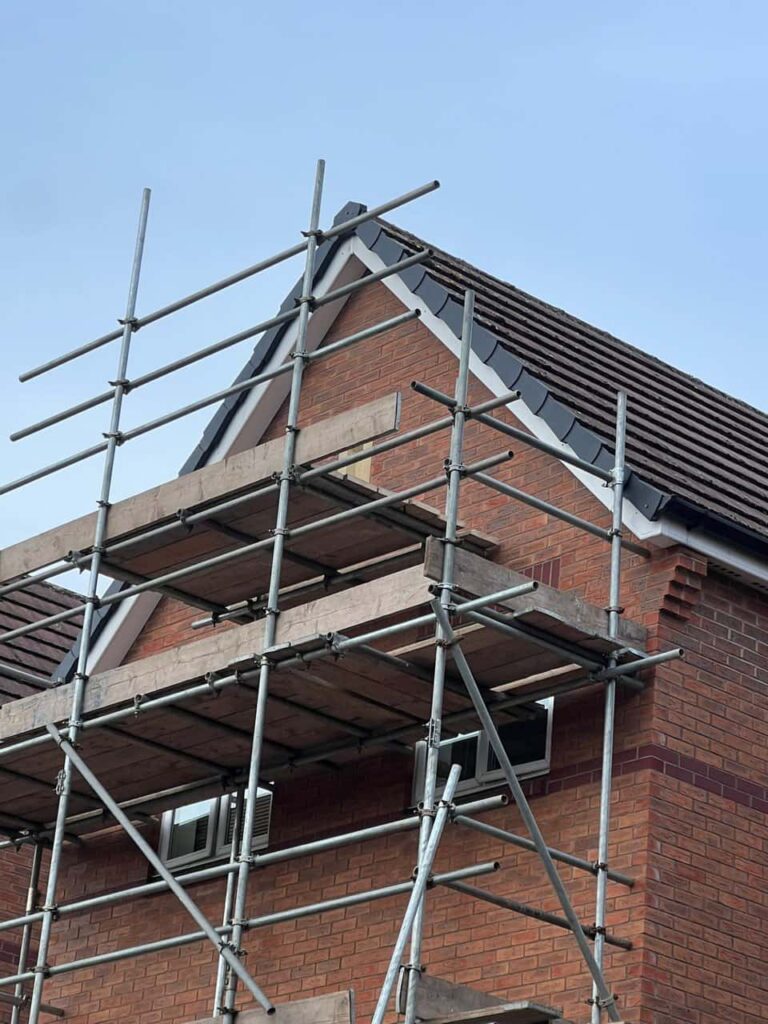
Strong winds and severe weather can place considerable strain on a roof. Tiles can become displaced, flashing may loosen and previously minor defects can become more noticeable after a period of bad weather. Some damage is easy to spot, while other problems may only become apparent when water begins entering the property.
For homeowners in Chesham, Buckinghamshire, knowing what to check after severe weather can help identify potential roof problems and ensure professional repairs are arranged where necessary.
Check for Missing or Displaced Roof Tiles
One of the most visible signs of storm damage is a missing, cracked or displaced roof tile. Strong winds can loosen individual tiles or affect sections of the roof covering.
Even when the damage appears minor, an opening in the roof can allow rainwater to reach the underlying structure. From ground level, it may be difficult to determine the full extent of the damage, so a professional inspection can be useful.
Look for Signs of Water Ingress
After heavy rain, check ceilings, loft spaces and upper walls for signs of moisture. Damp patches, water staining, dripping or a musty smell can indicate that water has entered through the roof.
A leak does not always appear directly beneath the damaged area. Water can travel along roofing components before becoming visible inside the property, making professional leak detection important when the source is unclear.
Inspect Roof Flashing
Flashing is used around vulnerable areas such as roof junctions and other points where different surfaces meet. Strong winds can loosen or damage flashing, creating potential routes for water to enter.
If flashing appears lifted, cracked or out of position after severe weather, it should be assessed professionally. Attempting to access the roof to inspect or repair flashing can be unsafe.
Check Ridge and Verge Areas
Ridge tiles are positioned along the highest point of many pitched roofs, while verges form the edges of the roof. Both areas can be affected by strong winds.
Loose, cracked or displaced ridge and verge materials can leave sections of the roof vulnerable to further water ingress. Professional repairs may involve securing or replacing affected components depending on their condition.
Look for Damaged Roof Gutters and Downpipes
Storm conditions can also affect the roof drainage system. Gutters may become blocked with fallen debris, while sections can become loose or displaced.
After severe weather, check from ground level for sagging gutters, visible blockages or water overflowing from unusual areas. Keeping the drainage system clear can help rainwater flow away from the roof as intended.
Check the Loft for Hidden Damage
The loft can provide useful signs of roof damage that are not visible from outside. Look for damp insulation, water staining, wet timber or areas where daylight may be visible through the roof covering.
If you discover signs of water ingress, avoid disturbing damaged areas unnecessarily. A professional roofer can inspect the roof and identify the likely source of the problem.
Do Not Climb Onto a Damaged Roof
After severe weather, it can be tempting to climb onto the roof to check for missing tiles or other damage. This can be particularly dangerous when surfaces are wet, slippery or structurally compromised.
A safer approach is to carry out an initial visual check from ground level and arrange a professional inspection if anything appears unusual.
Arrange Repairs Promptly
Storm damage should not be ignored, even when the visible problem appears relatively small. A displaced tile or damaged flashing can allow further water to enter during subsequent rainfall.
Professional roof repairs can address the source of the problem and restore the affected area. Depending on the damage, this may involve replacing tiles, repairing flashing, securing ridge components or carrying out other necessary work.
Preventing Future Roofing Problems
Regular roof maintenance can help identify weaknesses before severe weather exposes them. Loose tiles, deteriorating mortar, damaged flashing and blocked drainage can all become more problematic when exposed to strong winds and heavy rain.
Periodic professional inspections can help homeowners understand the condition of their roof and address developing issues before they become more disruptive.
Storm Damage Roof Repairs in Chesham, Buckinghamshire
For homeowners in Chesham, Buckinghamshire, LS Roofing Chesham can provide professional assistance following storm-related roof damage. A careful assessment can identify visible and less obvious problems, helping determine which repairs are appropriate.
Whether you have noticed displaced tiles, water ingress or damaged roof components after severe weather, professional attention can help restore the condition of the roof.
Conclusion
Severe weather can cause a range of roofing problems, from missing tiles and damaged flashing to leaks and displaced ridge components. Checking the roof and loft safely after a storm can help identify warning signs, but homeowners should avoid climbing onto a potentially damaged roof.
If you have noticed storm damage to your roof in Chesham, Buckinghamshire, contact LS Roofing Chesham to discuss your requirements and arrange a professional roof assessment and repair.
Call us on: 01494 302 493
Click here to find out more about LS Roofing Chesham
Click here to complete our contact form and see how we can help with your roofing needs.